

Employee Profile
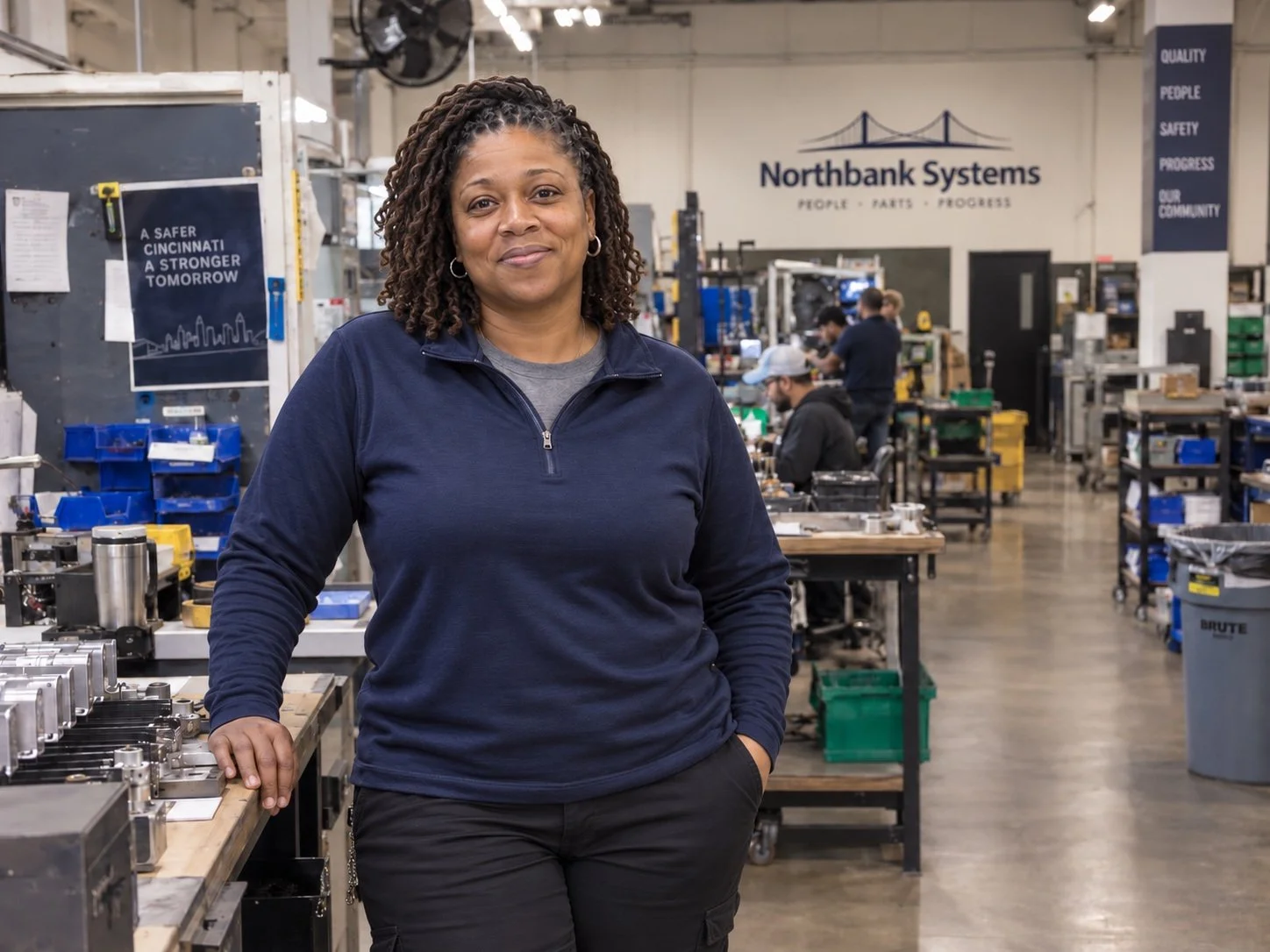
Monica Reed
Production Manager
Monica oversees production at Northbank Systems, where she balances quality, schedules, people, and the day-to-day realities of keeping work moving. After 12 years with the company, she knows the operation from the floor up and believes good leadership starts with listening.
The Organization
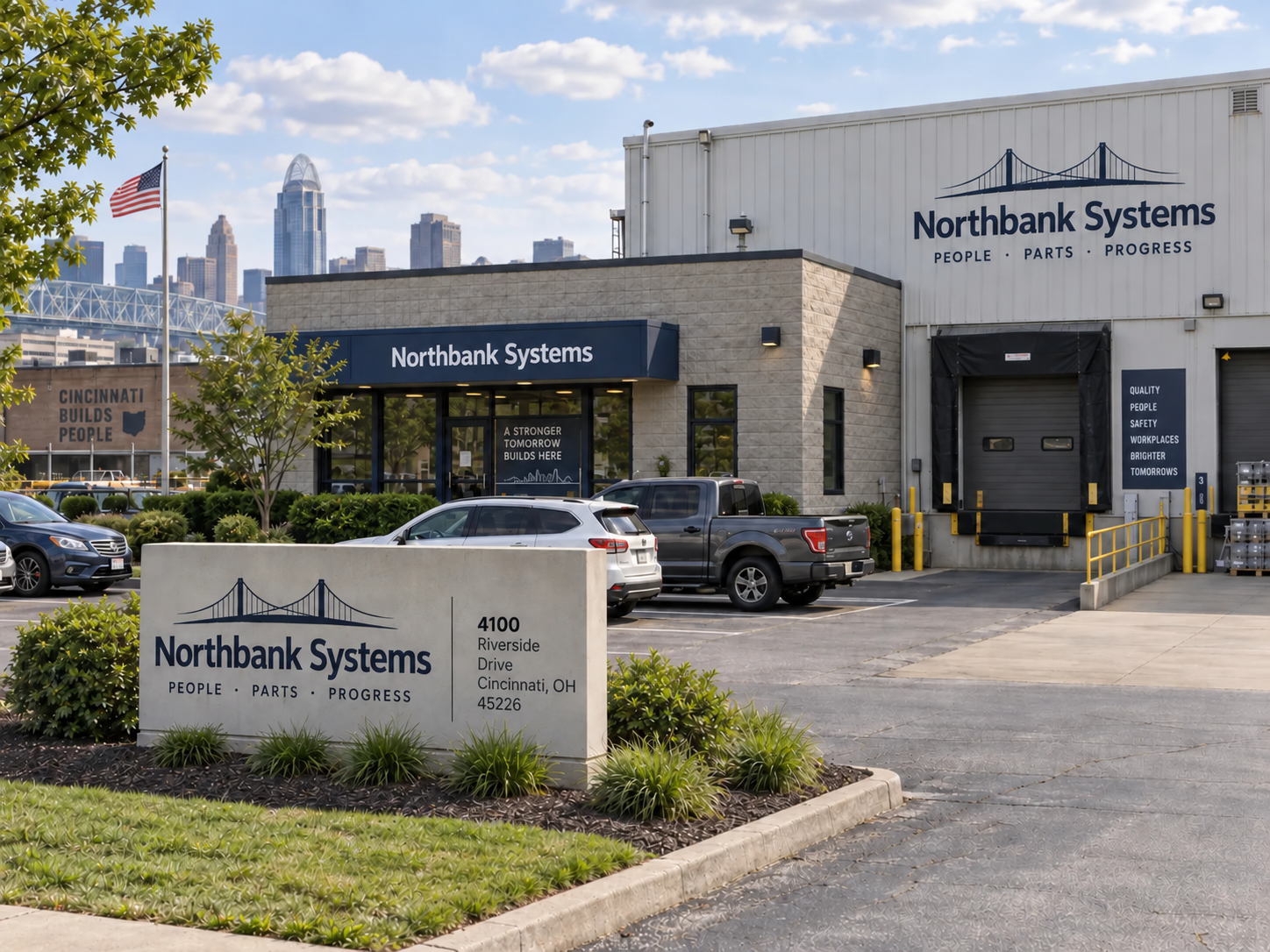
Northbank Systems
A Cincinnati workplace-products manufacturer serving offices, healthcare, education, and community spaces through design, production, and delivery.
The Conversation
Inside the Work
What does your work mean to you?
At this point in my life, work means responsibility, pride, and being useful. I’ve been at Northbank Systems for twelve years, and the work is tied to the person I’ve become, especially in how I make decisions, stay calm under pressure, and understand how much people depend on each other. There’s real satisfaction in making something you can point to and say, we made that, and knowing someone will use it every day. Work provides for my family, but it also gives me a place to contribute, solve problems, and know that what I do matters to other people.
How do you know when you’ve done your job right?
I know I’ve done my job right when the floor is moving without feeling rushed. There’s a difference between being busy and being in control. On a good day, materials are where they need to be, people know their responsibilities, quality issues get caught early, and we aren’t fixing things we could have prevented. I also pay attention to the mood of the team, because if everyone is tense or asking the same questions, something probably wasn’t clear enough. When the small decisions are good, orders move, the team works safely, and the customer gets something we’re proud to put our name behind.
What gives you the most pride in what you do?
What gives me the most pride is seeing something leave this building knowing how many hands and decisions went into making it right. People see the finished product, but I see the path behind it: who solved the problem, who stayed patient when materials were late, and who helped someone newer learn the process. After twelve years, my pride is less about one big accomplishment and more about consistency. Can we do good work again tomorrow while protecting the quality and the people when the schedule gets tight? When we can, it tells me we’re building trust in the way we work.
What do you bring to this job that comes from who you are, not just the title, but you?
I bring steadiness. I’ve always been someone who can stay calm when everybody else is trying to solve five things at once. Production changes quickly, and when a shipment is late, a machine goes down, or somebody calls off, you still have to decide what can move forward. People take their cue from how you respond, so I try not to turn every problem into a crisis. I’m also observant. I notice when someone is unusually quiet, when a process starts slipping, or when somebody finds a better way. My title says production manager, but a lot of what I bring is helping people stay focused without making them feel like machines.
What have you learned over time that has changed the way you think about doing your work well?
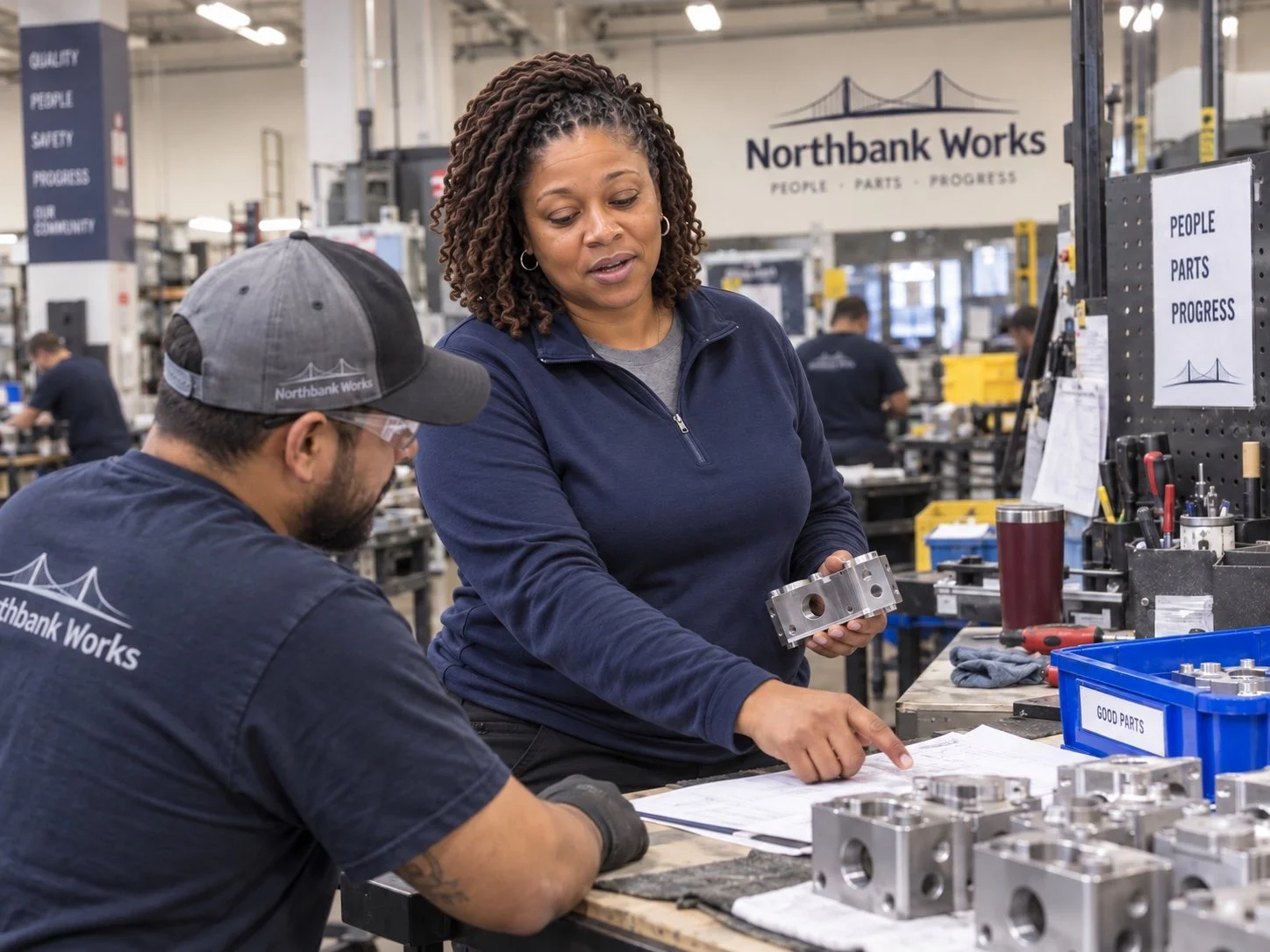
The biggest thing I’ve learned is that doing the work well isn’t the same as doing it fast. Earlier in my career, I thought being good meant keeping everything moving. Speed matters, but I understand the cost of forcing it now. If you push past a quality concern, ignore that somebody is tired, or skip a conversation, you usually pay for it later in rework, morale, or trust. I’ve become more interested in rhythm than speed: what pace lets us hit the schedule without creating mistakes, and what needs to slow down so everything else can move better? I ask more questions now, and I’m less impressed by activity for activity’s sake.
What’s a part of your day that an outsider might overlook but that matters more than they would realize?
An outsider might not notice how much of my day is spent preventing confusion. People think production management is mostly schedules, numbers, and keeping things moving. A lot of it is translation. Engineering may be thinking about specifications, sales about the customer, purchasing about materials, and the floor about what is physically possible. My job is to connect those perspectives before they become a problem. Sometimes it’s a five-minute conversation; sometimes it’s noticing that three departments are reading the same email differently. Those moments aren’t dramatic, but if everyone leaves with the same understanding, we may have saved hours of rework. Clarity is one of the most practical things you can give people.
What has this job allowed you to build, become, or provide outside of work?
The most obvious answer is stability. Twelve years in one place has allowed me to support my family, plan ahead, and build a life without feeling like the ground is constantly moving. The job has also given me confidence. I know I can walk into a complicated situation, sort through what matters, and make a decision without everything being perfect. I didn’t always trust myself that way. I’ve also learned to separate a bad day from a bad life, so something can go completely sideways in the morning and I can still go home and be present. That perspective has been valuable.
When this company is at its best, what does that look like from where you sit?
When Northbank Systems is at its best, there’s a lot of communication without a lot of drama. People know what they’re trying to accomplish, but they also pay attention to what somebody else needs. You’ll see someone help solve a problem that technically isn’t theirs because the whole job gets better when we don’t work in little boxes. People also speak up when something doesn’t look right, before it becomes expensive or unsafe. Good culture isn’t everybody agreeing; it’s being able to disagree, ask a question, or point out a problem and still feel like you’re on the same side. When that happens, the work is better and the day feels lighter.
What does this company stand for that matters to you personally?
What matters to me most is that the work should hold up in the real world. We make products that go into offices, healthcare environments, education spaces, and other places where people use them every day. A drawing can look perfect on a screen, but somebody eventually has to sit at it, touch it, clean it, or depend on it. For me, that connects to respect for the customer and for the people making the product. If we expect somebody to care about quality, we have to give them the information, time, and materials to do quality work.
Twenty years from now, what part of this period in your working life do you think you’ll remember?
I think I’ll remember the people first. When you stay somewhere this long, you see people come in unsure of themselves and eventually become the person everybody goes to for answers. The projects will probably blur together, but I’ll remember mornings on the floor, problems we thought we’d never solve, and the feeling when a team pulled together. I’ll also remember how much I changed here. I came in thinking responsibility meant having the answer; now I think it means knowing how to listen, who to trust, when to make the call, and when to let somebody else lead.
More employee profiles from Northbank Systems.
“I take pride in making things that matter.”
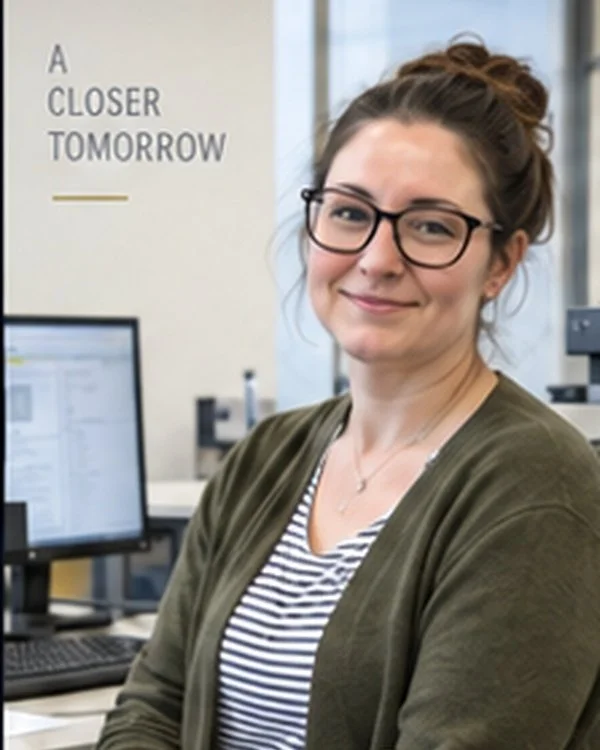
“Details make a big difference.”
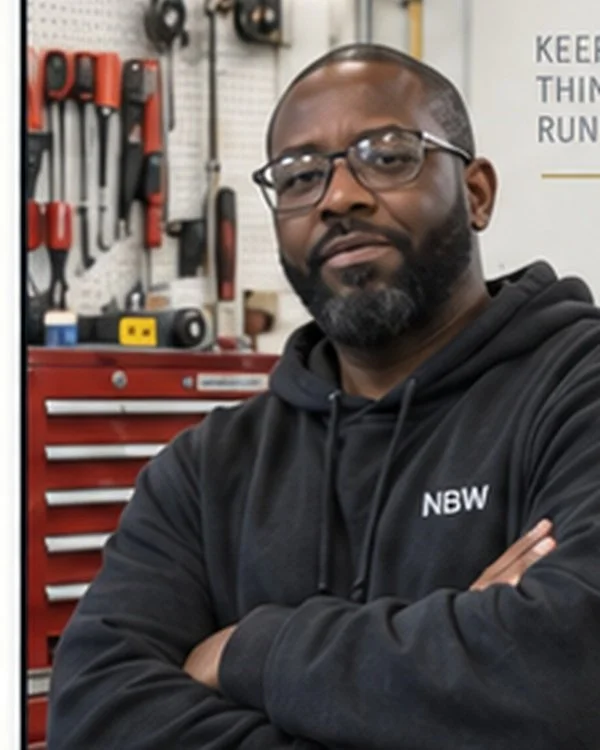
“We keep people and progress moving.”
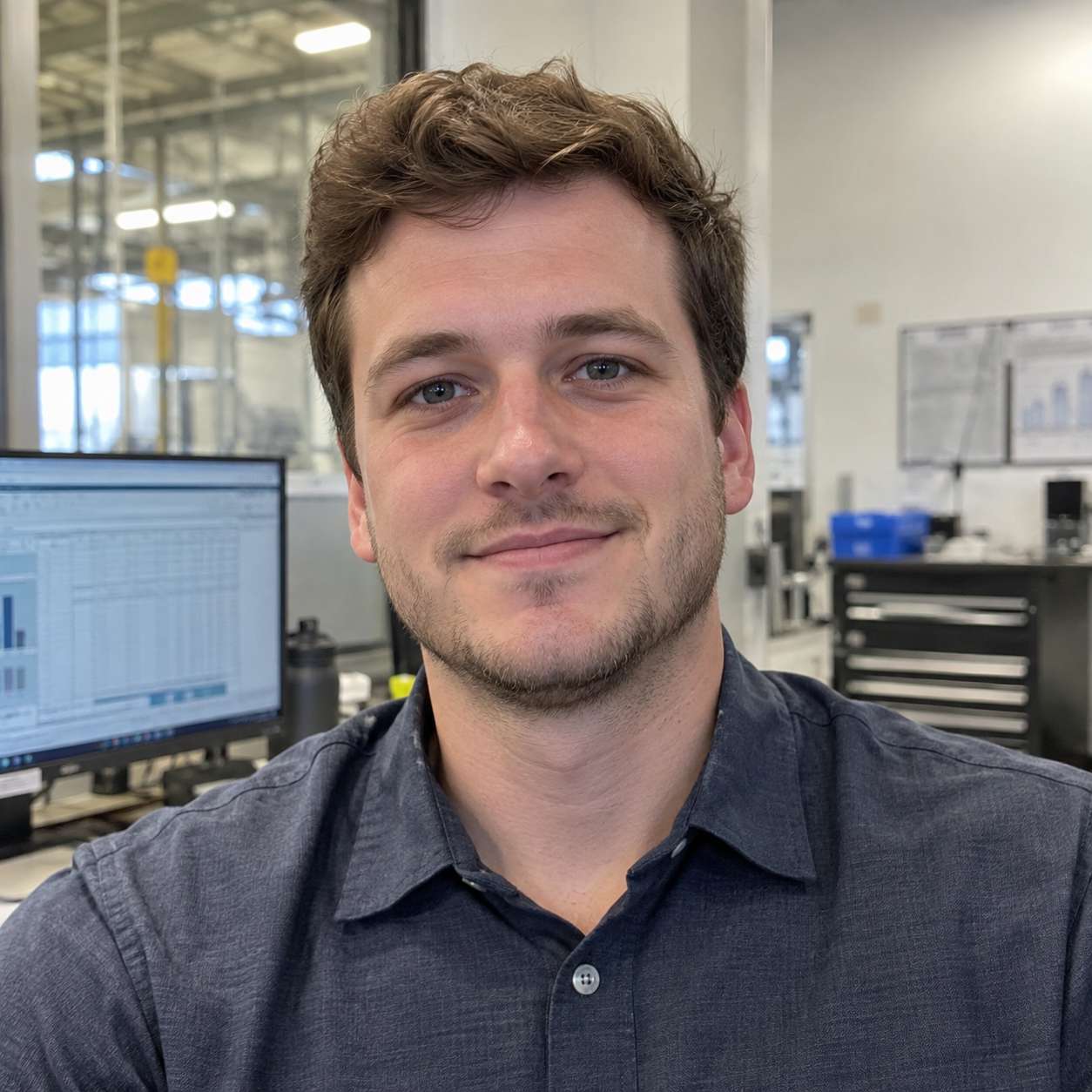
“I found a true second family here.”
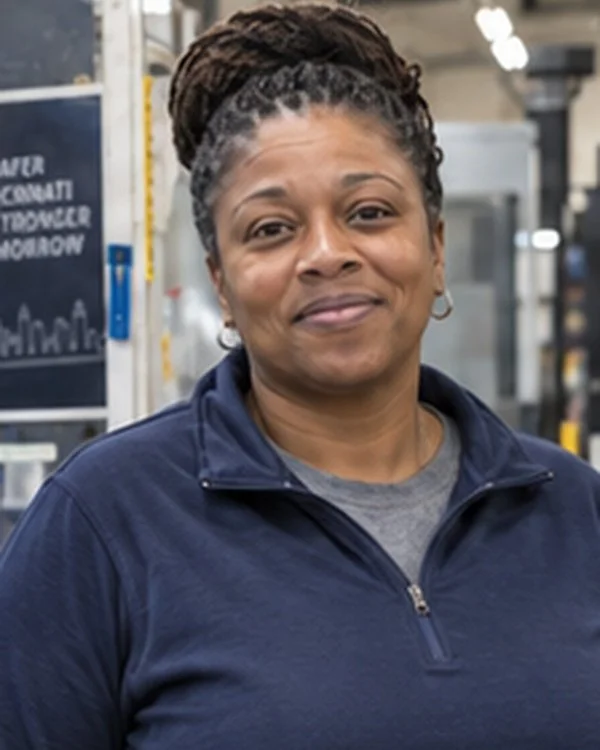
“The best work happens when people know they matter.”
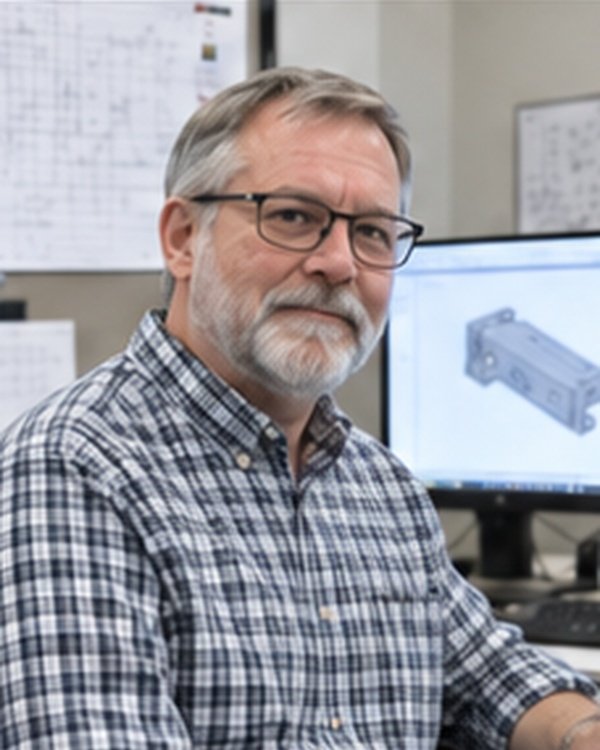
“Better products build stronger communities.”
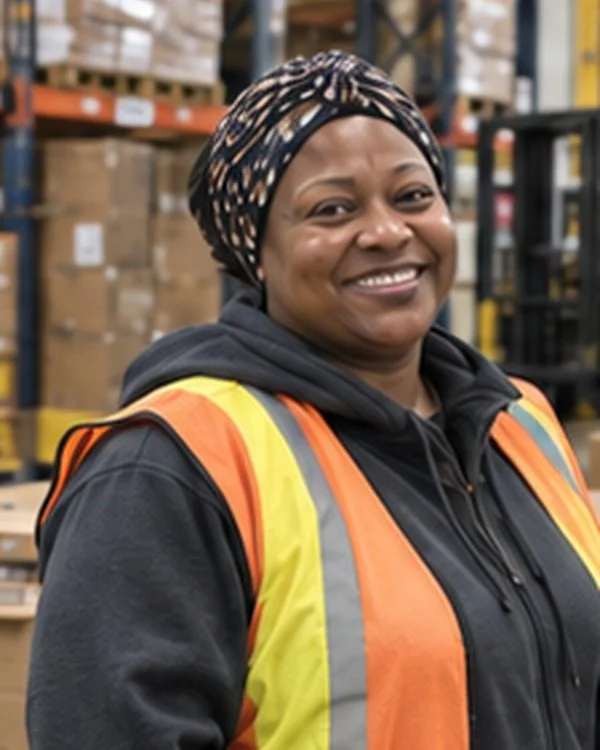
“Every part we ship helps someone do more.”
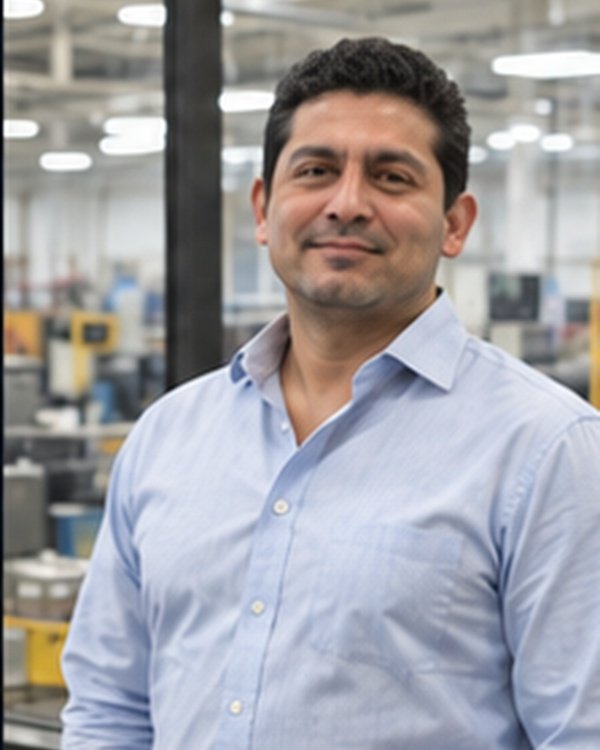
“People turn plans into progress.”
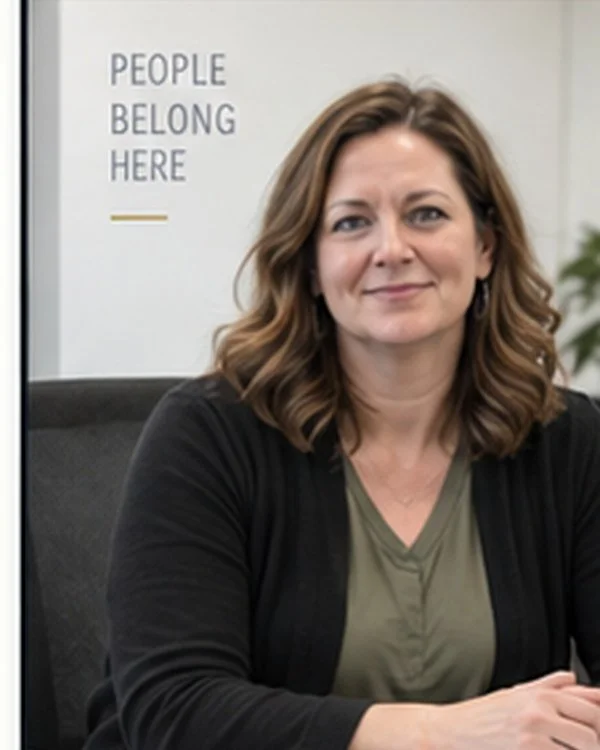
“Great careers start with great people.”