
Employee Profile
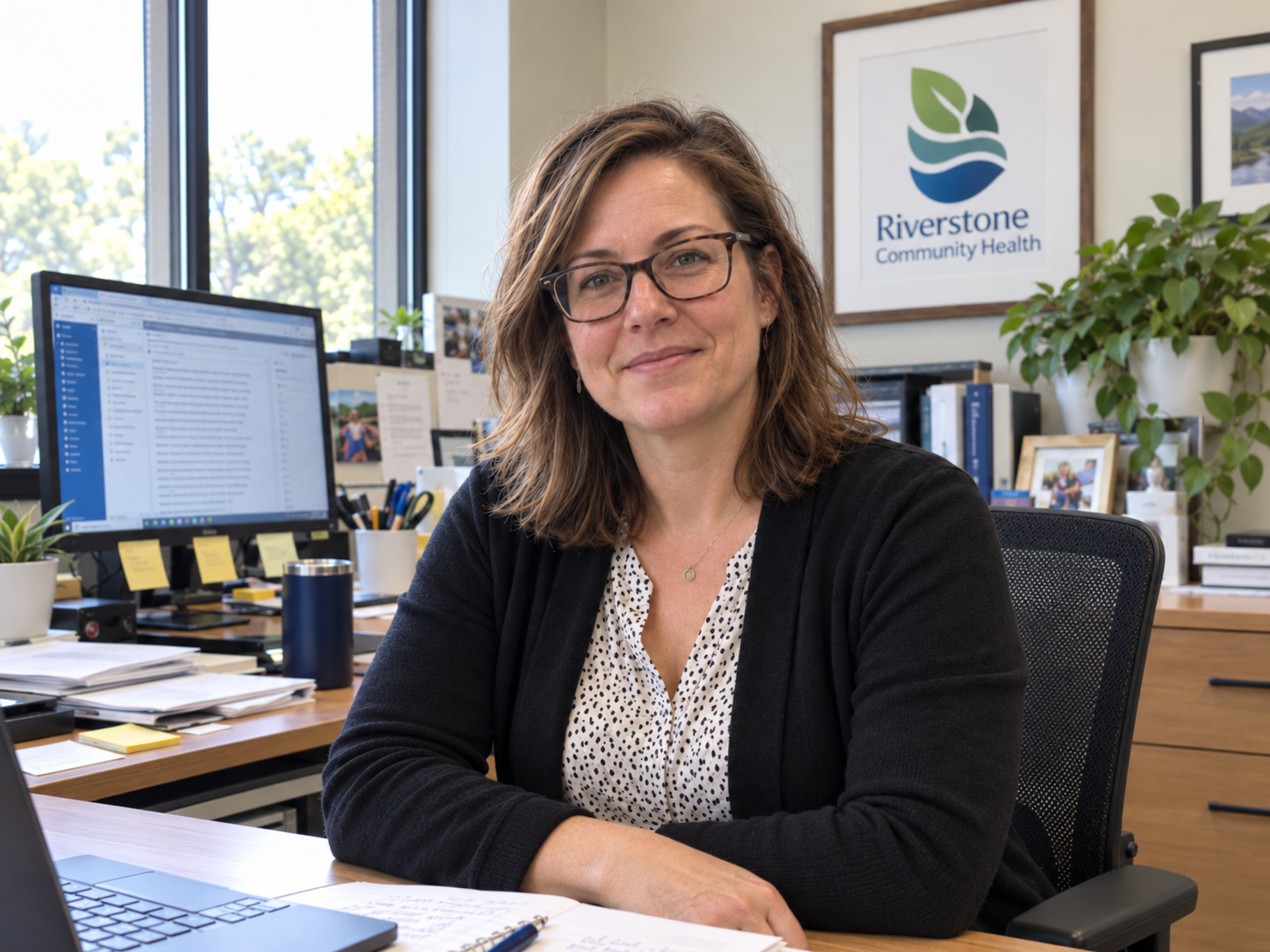
Erin Wallace
Senior Director of Operations
Erin helps lead operations at Riverstone Community Health, where she works across teams, systems, and locations to help the organization deliver care consistently. After nine years with Riverstone, she has learned that strong operations are ultimately about giving people the support they need to do good work.
The Organization
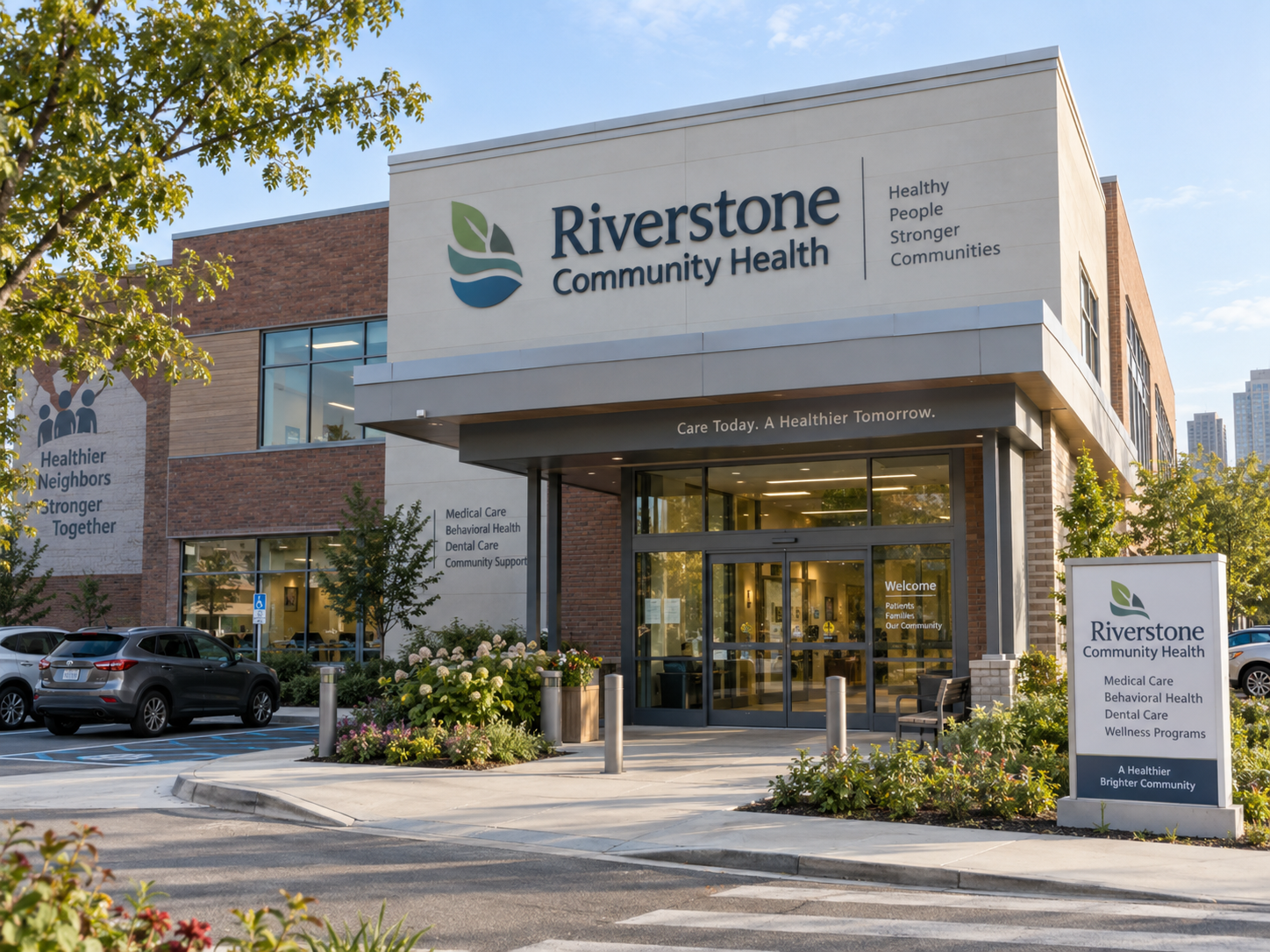
Riverstone Community Health
A nonprofit community health organization providing primary care, dental, behavioral health, and support services across Greater Cincinnati.
The Conversation
Inside the Work
What does your work mean to you?
The work is about making sure the organization can do what it says it wants to do for people. Operations can sound very behind-the-scenes, but it affects almost everything. If systems are working, teams have what they need, patients have a better experience, and people can focus on the work in front of them. I’ve always liked being in a role where I can help remove friction. There’s satisfaction in knowing that something may look simple on the surface because a lot of thoughtful work happened underneath it.
After nine years here, what still gives you a sense of purpose in the work?
The mission still matters to me. We serve people who may not always have the easiest path to care, and that gives the work a different weight. After nine years, you see how decisions ripple through an organization. A change in scheduling, staffing, facilities, or workflow can make somebody’s day easier or harder. That keeps me engaged. The work changes, the challenges change, but there’s still a clear reason behind what we’re trying to do. I don’t take that for granted.
What have you come to understand about this organization that you could only learn by being here over time?
I’ve learned that culture shows up in small decisions. It’s not just what’s written in a mission statement or what gets said in a meeting. It’s how people respond when somebody needs help, how leaders handle pressure, and whether people feel comfortable raising a concern. Over time, you start to understand what an organization really values because you see what it protects when things get difficult. That takes years to see clearly. I think Riverstone has become more intentional about that as we’ve grown.
What does good leadership look like to you in a place where the work directly affects people’s lives?
Good leadership starts with understanding that the decisions you make affect people who may never be in the room with you. That includes patients and employees. I think leaders have to listen well, explain decisions clearly, and be willing to adjust when something isn’t working. You also have to create enough stability that people can do their jobs without constantly wondering what is coming next. In healthcare, there is always urgency somewhere, so part of leadership is knowing what truly needs immediate attention and what requires a more thoughtful response.
“ Consistency and respect matter a lot to me. People should know what they can expect from you, especially when things are difficult. And respect means recognizing that everybody’s role has value. ”
What are you most proud of helping build, improve, or protect during your time here?
I’m proud of the way we’ve grown without completely losing the sense that individual people matter. Growth creates pressure. You add locations, staff, systems, and expectations, and it becomes easy to think only in terms of numbers. I’ve tried to help build processes that allow us to scale while still making room for judgment, relationships, and common sense. I’m proud when I see a team solve something well because the structure around them actually supported them rather than getting in their way.
What have the people you work alongside taught you about doing this work well?
They’ve taught me that expertise comes in a lot of forms. Someone working at the front desk may understand a problem differently than I do because they encounter it every day. A nurse, medical assistant, facilities person, or scheduler may see something in five minutes that would take me an hour to figure out from a report. I’ve learned not to assume that position or title determines where the best insight will come from. The strongest decisions usually happen when the people closest to the work are part of the conversation.
When Riverstone is operating at its best, what do you see happening across the organization?
There’s a sense of rhythm. People know what they’re responsible for, but they’re also paying attention to what is happening around them. Communication is clear. Problems get raised early instead of being allowed to grow. Teams help one another without needing a lot of direction from above. From an operations perspective, that’s what you want. You don’t want people constantly fighting the system. You want the system to support good judgment and good work. When that happens, you can feel the difference.
What values matter most to you personally, and where do you see those values show up in the work here?
Consistency and respect matter a lot to me. People should know what they can expect from you, especially when things are difficult. And respect means recognizing that everybody’s role has value. I see that show up here when people take time to explain something instead of brushing someone off, or when a leader steps in to help rather than simply pointing out a problem. Those moments may not seem dramatic, but they tell you a lot about the organization. Values become real through behavior.
How has this work changed the way you think about community, responsibility, or service?
It has made me think more about how interconnected things are. Healthcare is never just healthcare. Transportation, housing, work schedules, family responsibilities, finances — all of those things affect someone’s ability to take care of themselves. Working here has made me less likely to look at a situation and assume I understand the whole story. It has also made me appreciate organizations that stay connected to the communities they serve rather than assuming they already know what people need.
When you eventually look back on this chapter of your career, what do you hope mattered most about the work you did here?
I hope I helped leave the organization stronger and more capable than it was when I arrived. Not just bigger, but better organized and better prepared to support the people doing the work. I’d like to think I helped create some stability during periods of growth and change. And on a personal level, I hope the people I worked with would say I was fair, dependable, and willing to listen. Titles change. Organizations change. How you treated people and what you helped build tend to last longer.
More employee profiles from Riverstone Community Health